

29 Mar The Psychology Behind Graphic T-Shirts
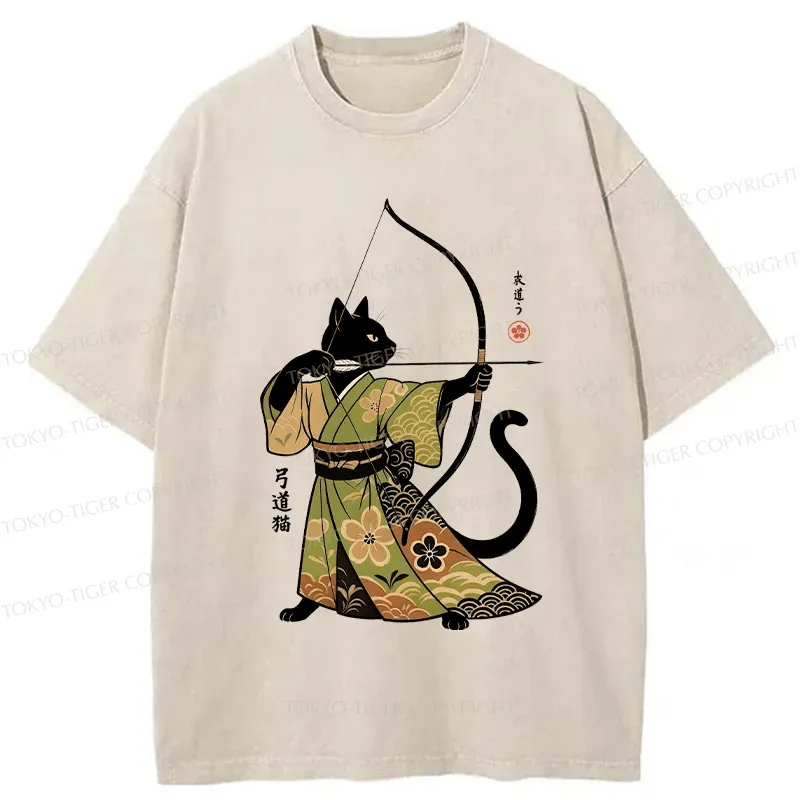
Graphic T-shirts are more than casual clothing—they function as a form of personal expression and social signaling. What someone chooses to wear on their chest often reflects identity, values, and even emotional states.
At a psychological level, graphic tees tap into identity construction. People use clothing to communicate who they are (or who they want to be). A shirt featuring a band, a vintage logo, or a cultural reference allows the wearer to align themselves with a specific group or lifestyle. For example, wearing imagery connected to a show like Stranger Things signals nostalgia and an appreciation for retro pop culture.
There is also an element of social belonging. Humans naturally seek connection, and graphic tees act as low-effort conversation starters. Recognizing a shared interest—whether it’s a film, artist, or meme—creates an instant bond between strangers. In this way, a T-shirt becomes a silent introduction.
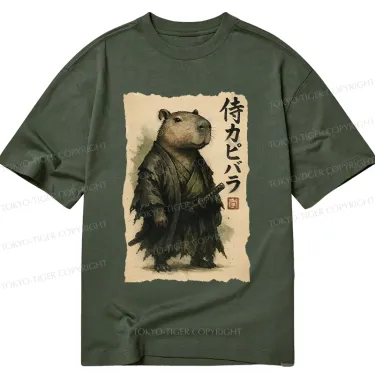
Another key factor is emotional expression. Some people wear bold, humorous designs to project confidence or humor, while others prefer minimal or abstract graphics to convey subtlety and control. The choice of design can reflect mood, personality traits, or even how someone wants to be perceived in a given environment.
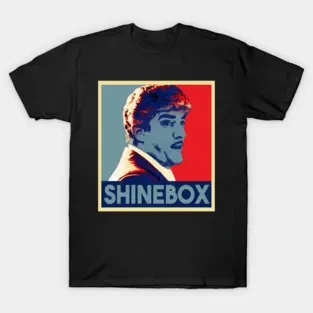
Finally, graphic tees offer a sense of control and individuality in a world of mass production. Even when designs are widely available, the specific combination of graphics, styling, and context makes each outfit feel unique.
In essence, graphic T-shirts sit at the intersection of psychology, fashion, and communication. They are not just garments—they are wearable statements that speak before the wearer does.